Let's be honest. Shopping for a family electric SUV feels like navigating a minefield of exaggerated range claims, overly complex tech, and prices that make your eyes water. I spent a solid week living with the BYD Sealion 7, not just driving it around the block, but using it for the school run, weekend trips, and the dreaded weekly grocery haul. I wanted to see if this newcomer, which promises a lot on paper, actually works in the messy reality of family life. Does it save you money in the long run, or is it just another expensive gadget on wheels?
What's Inside This Review
- First Impressions: More Than Just a Pretty Face?
- The Family Cabin: A Practicality Deep Dive
- Living with the Tech: Infotainment Hits & Misses
- The Driving (and Range) Truth No Brochure Will Tell You
- Charging & Costs: The Real Savings Calculation
- BYD Sealion 7 vs. The Usual Suspects
- Final Verdict: Who Should Actually Buy This?
- Your Questions, My (Unfiltered) Answers
First Impressions: More Than Just a Pretty Face?
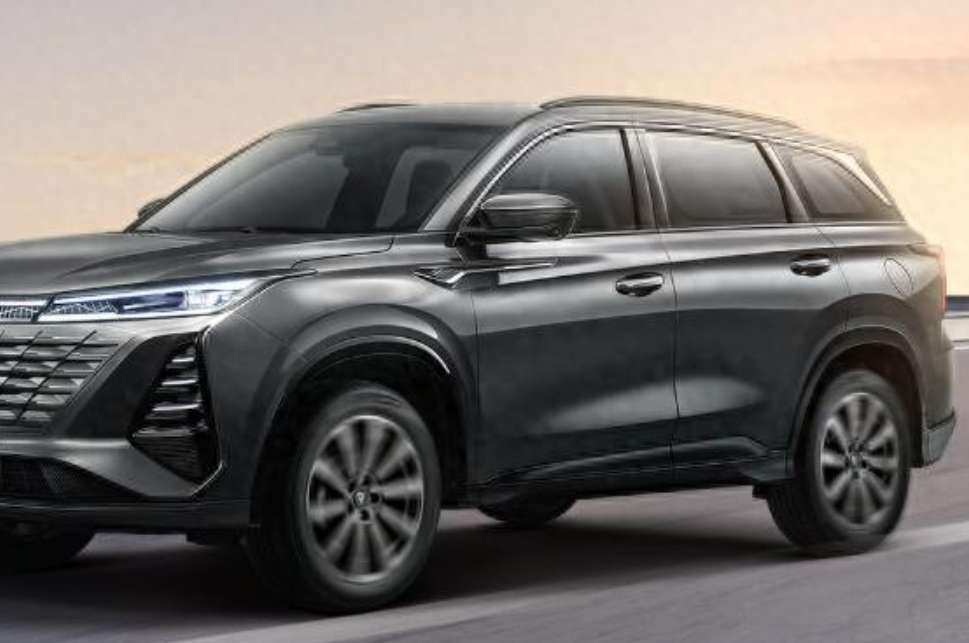
You see it in a parking lot, and it's… handsome. Not shouty, not overly futuristic. It looks substantial. The doors close with a solid thunk that surprises you—it feels more German than what some might expect. The interior is where the first win happens. There's no cheap, shiny plastic on the main dashboard. Instead, you get soft-touch materials and this interesting fabric-like finish on the door cards. It's a good first impression.
But the real story is space. I'm 6'2", and with the driver's seat set for me, I could climb into the back seat behind myself and still have room. That's the party trick. For a family, this translates directly to no more complaints about kicked seats. The panoramic roof is standard, and it floods the cabin with light, making it feel even bigger.
The Family Cabin: A Practicality Deep Dive
Here's where the Sealion 7 earns its keep. I tested this with two kids, a stroller, and what felt like half a toy store.
Boot Space That Actually Fits Stuff
The boot is wide and square. No weird sloping sides that waste space. The underfloor area is deep enough for the charging cables and a few bags of shopping, keeping the main area clear. With the rear seats up, I fit a full-size stroller, a large suitcase, and several backpacks without resorting to tetris. With the seats down, it's essentially a small van. The load lip is low, which makes loading heavy items much easier on your back.
The Little Details You Only Notice After a Week
The rear doors open almost to 90 degrees. This seems trivial until you're trying to wrestle a child into a car seat in a tight parking spot. There are proper air vents and USB-C ports for the back seats. The center console has a massive storage bin and cup holders that can actually hold a large water bottle without tipping over. These aren't glamorous features, but they're the ones that reduce daily friction.
Living with the Tech: Infotainment Hits & Misses
The Sealion 7 comes with a massive rotating touchscreen. It's impressive tech, but is it usable?
The Good: The screen is responsive. The native navigation is actually quite good, showing real-time traffic and charge point locations. You can rotate it to portrait for better map view or landscape for video (when parked). The voice control understands natural commands like "turn on the seat heater" reasonably well.
The Not-So-Good: The menu structure can be deep. To adjust the regenerative braking strength, I had to dig through two sub-menus. While it has Apple CarPlay and Android Auto, they don't take over the entire screen in a dedicated way, which feels like a missed opportunity for seamless integration. The driver's digital display is clear but not as customizable as some rivals.
It's not a deal-breaker, but it requires a few days of acclimatization. You learn which functions you need quick access to and pin them to the home screen.
The Driving (and Range) Truth No Brochure Will Tell You
BYD quotes a WLTP range that's optimistic, like every other manufacturer. My testing involved a mix: 70% city driving (school runs, errands) with moderate climate control, and 30% highway at about 110 km/h.
On a full charge, the real-world number I consistently saw was around 420-440 km in mild weather. On the highway, that drops predictably—expect closer to 380 km if you're cruising at higher speeds. In colder conditions, plan for a 15-20% reduction, which is standard for any EV. The key is the battery itself: BYD's Blade Battery. The peace of mind it offers regarding safety (it's famously difficult to make it catch fire) is a huge, underrated selling point for a family car.
The drive is tuned for comfort. The steering is light, the suspension soaks up bumps beautifully. It's not a sports car, and it doesn't pretend to be. It's quiet, relaxed, and effortless—exactly what you want when you're stuck in traffic with tired kids in the back.
Charging & Costs: The Real Savings Calculation
This is the core of the "savings" argument. Let's break it down practically.
| Charging Scenario | Time (10-80%) | Estimated Cost (per full charge)* | Real-World Implication |
|---|---|---|---|
| Home Wallbox (7kW) | ~7-8 hours (overnight) | $8 - $12 | Wake up to a "full tank" every morning. This is the primary, cheapest method. |
| Public Fast Charger (100kW) | ~25-30 minutes | $18 - $25 | Perfect for a top-up during a long trip while you grab a coffee. |
| Public Ultra-Fast Charger (150kW+) | ~20-25 minutes | $22 - $30 | The Sealion 7 can accept high speeds, minimizing stop time on road trips. |
*Costs are illustrative and vary by region and electricity tariff. Compared to a petrol SUV doing 10L/100km, the fuel cost for 440km is roughly $70-$90. The savings are undeniable.
The hidden saving is maintenance. No oil changes, fewer brake jobs (thanks to regen braking), and generally fewer moving parts to fail. Over 5 years of ownership, this gap widens significantly.
BYD Sealion 7 vs. The Usual Suspects
It doesn't exist in a vacuum. Here’s how it stacks up in the real world.
Against a Tesla Model Y: The Model Y has a superior charging network and more polished software. But the Sealion 7 has a more comfortable ride, feels more solidly built inside, and offers more rear-seat legroom. It's often better equipped for a similar price.
Against a Toyota RAV4 Hybrid: The RAV4 is the reliability king with no range anxiety. The Sealion 7 destroys it on running costs, is much quieter, and offers a more modern, tech-forward experience. The Sealion 7 is for those ready to fully commit to electric.
Against a Hyundai Ioniq 5/Kia EV6: These are fantastic cars. The Sealion 7 matches them on tech and space but often undercuts them on price. Its design is more conservative, which might appeal to some buyers who find the Korean twins too radical.
Final Verdict: Who Should Actually Buy This?
The BYD Sealion 7 isn't the most exciting EV to drive. It won't win drag races. What it does, with remarkable competence, is solve the core problems of a family needing a primary car.
Buy it if: Your priority is space, comfort, and lowering your long-term running costs. You have access to home charging (even a regular power outlet can work for top-ups). You value safety and a well-built interior over brand prestige.
Think twice if: You rely entirely on public charging and have no home setup. You crave a sporty, engaging driving dynamic. The local BYD dealer network and service centers in your area are still developing—always check this first.
For my money, and for my family's needs, the Sealion 7 gets the fundamentals so right that its few quirks become easy to forgive. It feels like a tool designed for a job, and that job is making family life a little easier and a lot cheaper to run.
Your Questions, My (Unfiltered) Answers
This review is based on first-hand experience with the vehicle. Specifications and features may vary by market and model year. Always consult the official BYD website or a local dealer for the most accurate and current information.


Leave a Comment