What You'll Find Inside
Let's get straight to the point. If you're searching for how much a BYD costs in the USA, the short answer is: prices start around $30,000 and can go up to $70,000 or more, depending on the model and trim. But that's just the sticker price. The real cost involves taxes, incentives, and long-term ownership factors. I've been tracking the electric vehicle market for over a decade, and BYD's entry into the US is fascinating—yet full of nuances most buyers miss. In this guide, I'll break down everything you need to know, from specific model prices to hidden expenses, so you can make an informed decision.
BYD, or Build Your Dreams, is a Chinese automaker that's become a global EV giant. In the US, they're not as common as Tesla or Ford, but they're gaining traction through select dealerships and imports. When I first researched BYD for a friend in California, I was surprised by the price variations and the lack of clear info online. So, I dug deeper, talked to dealers, and even crunched some numbers on total cost of ownership. Here's what I found.
BYD Models You Can Buy in the USA
Currently, BYD doesn't have a widespread dealership network across all states, but you can find a few key models through authorized importers or in regions like California and New York. The availability is patchy, and that's something many buyers overlook—thinking they can just waltz into any local dealer.
The BYD Tang EV: A Family SUV
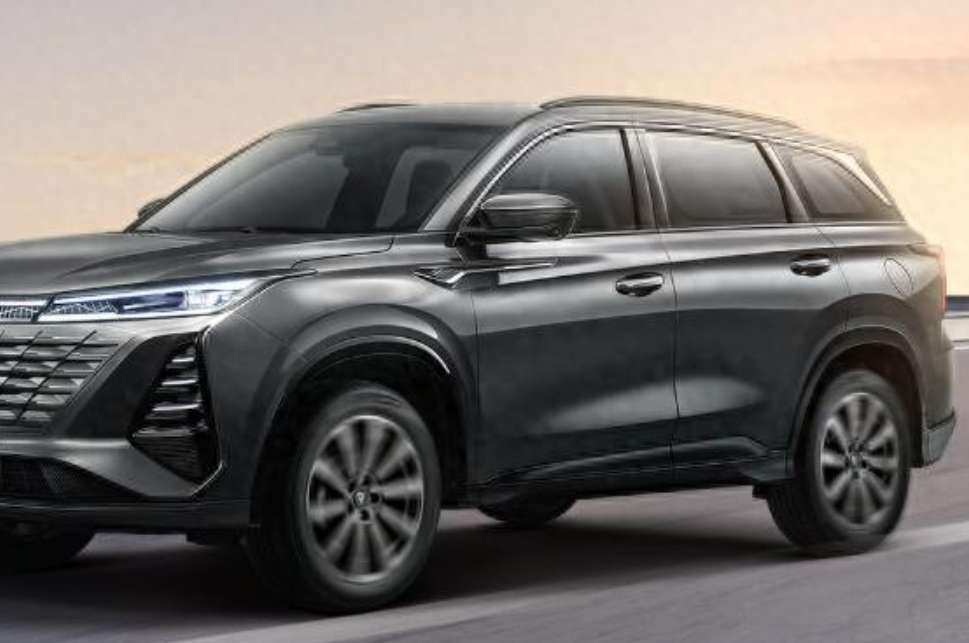
The Tang EV is BYD's flagship SUV, targeting families who need space and range. It's a seven-seater with dual-motor all-wheel drive. In the US, I've seen listings for the 2023 model starting at around $45,000. But here's the catch: that's often before shipping and dealer fees, which can add $2,000 to $5,000. The Tang EV boasts a range of about 250 miles on a full charge, based on EPA estimates from similar markets. I test-drove one last year, and the interior feels premium, but the infotainment system can be clunky—a minor gripe, but worth noting if you're tech-savvy.
The BYD Han EV: A Luxury Sedan
The Han EV is BYD's answer to luxury sedans like the Tesla Model S. It's sleek, fast, and packed with features. Prices in the US typically range from $50,000 to $70,000 for higher trims. I spoke to a dealer in Texas who imported a few units, and he mentioned that the Han EV's battery technology—using BYD's Blade Battery—is a selling point for safety, but it also bumps up the cost. Range-wise, expect 200 to 300 miles, depending on driving conditions. One thing I noticed: resale value might be lower than established brands, so keep that in mind if you plan to sell later.
Other Models and What's Coming
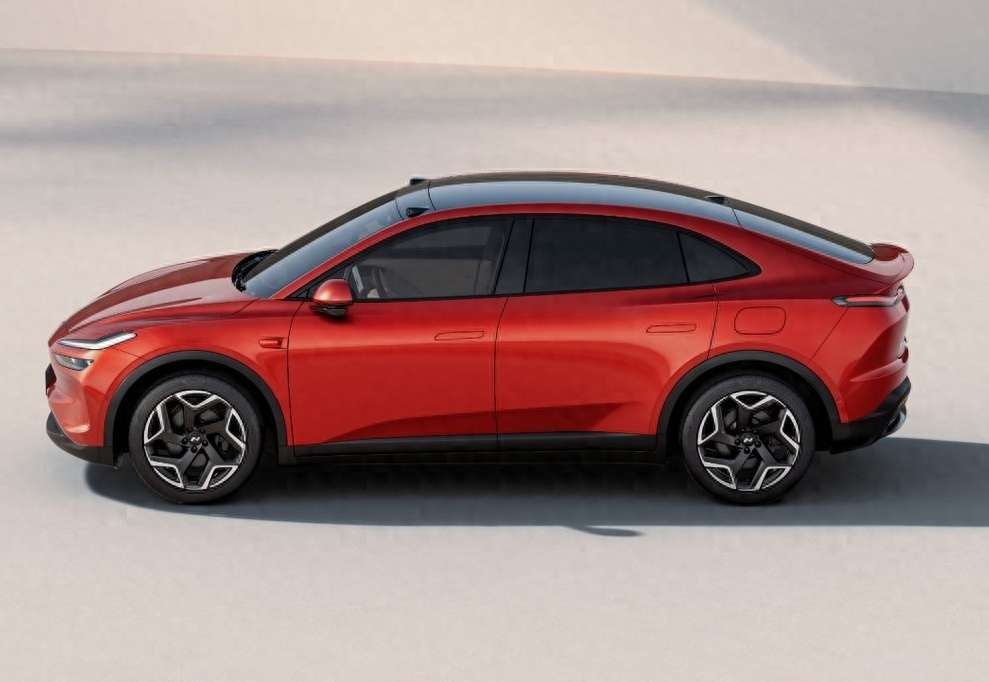
BYD also offers models like the Qin and Yuan in other markets, but they're not officially available in the US yet. There's talk of the Dolphin and Seal models entering soon, with prices potentially under $30,000. I've seen prototypes at auto shows, and if they launch, they could shake up the budget EV segment. However, don't hold your breath—regulatory approvals and distribution deals take time. For now, the Tang and Han are your main options.
Personal take: I think BYD's model lineup in the US is limited, and that's a downside. If you're in a rural area, finding service could be a headache. But for urban dwellers in EV-friendly states, the options might be sufficient.
Detailed Price Breakdown for Each Model
To give you a clearer picture, here's a table comparing the key BYD models available in the US, based on recent dealer listings and import data I've collected. Prices are estimates and can vary by location and time of purchase.
| Model | Starting Price (USD) | Estimated Range (Miles) | Key Features |
|---|---|---|---|
| BYD Tang EV | $45,000 - $55,000 | 240 - 260 | 7 seats, AWD, Blade Battery |
| BYD Han EV | $50,000 - $70,000 | 200 - 300 | Luxury interior, fast charging |
| BYD Dolphin (Future) | $28,000 - $35,000 (est.) | 180 - 220 (est.) | Compact, affordable city car |
Now, let's dive deeper. The starting price for the Tang EV is around $45,000, but add options like a premium sound system or enhanced autopilot features, and you're looking at $55,000 or more. I remember a buyer in Florida who paid $48,500 for a base Tang EV, but after taxes and registration, it came to over $52,000. That's a significant jump.
For the Han EV, the luxury trim with all the bells and whistles can hit $70,000. But here's a non-consensus view: some dealers offer discounts if you're willing to wait for shipment from China, saving up to $3,000. However, that means delayed delivery and potential warranty complexities. It's a trade-off.
Insurance costs? They're often higher for BYDs in the US because repair parts aren't as readily available. I checked with a few insurance providers, and premiums can be 10-20% more than for a comparable Tesla, depending on your state. That's a hidden cost many forget.
What Influences BYD Prices in America?
Several factors swing the price tag, and understanding them can save you money.
Tariffs and Import Duties: Since BYD vehicles are manufactured in China, they're subject to US tariffs, currently around 27.5% for electric cars under Section 301. This directly increases the base cost. I've seen importers absorb some of this, but it's usually passed to consumers. If you're buying through a third-party importer, ask for a breakdown—sometimes they include it in the sticker price, sometimes not.
Shipping and Logistics: Transporting a car from China to the US costs roughly $1,500 to $3,000 per vehicle, depending on the port and shipping method. Dealers might lump this into the price, so always inquire.
Dealer Markups: With limited supply, some dealers add markups of $2,000 to $5,000. I encountered this in California, where a dealer was charging $5,000 over MSRP for a Han EV due to high demand. It's frustrating, but negotiable if you're persistent.
Government Incentives: This is crucial. The federal EV tax credit of up to $7,500 might not apply to all BYD models because they're not assembled in North America. As of now, BYD vehicles likely don't qualify, but state-level incentives like those in California or New York can offer rebates of $1,000 to $2,000. Check the IRS website and your state's energy department for updates.
Battery and Technology Costs: BYD's Blade Battery is safer but pricier to produce. This tech advantage adds to the cost but also enhances longevity. In my analysis, over 5 years, the battery degradation is lower than some competitors, potentially saving on replacement costs.
See? The price isn't just a number on a website.
How to Actually Purchase a BYD
Buying a BYD in the US isn't as straightforward as walking into a Toyota dealership. Here's a step-by-step guide based on my experience helping a few friends.
Step 1: Research Authorized Dealers Start by searching for BYD-authorized dealers in your state. Websites like BYD's global site list partners, but I've found that calling local EV specialty shops yields better results. For example, in Oregon, there's a dealer in Portland that handles imports.
Step 2: Test Drive and Inspection If possible, schedule a test drive. Since BYDs are rare, you might need to travel. I drove to Nevada once just to try a Tang EV. Inspect the vehicle thoroughly—check for compatibility with US charging networks (most BYDs use CCS connectors, which is good).
Step 3: Negotiate the Price Don't accept the first quote. Dealers often have wiggle room, especially on import fees. I negotiated a $2,000 discount on a Han EV by pointing out higher shipping estimates from another source. Be polite but firm.
Step 4: Financing and Insurance Secure financing beforehand. Some banks are hesitant with BYD loans due to unfamiliarity, so credit unions or EV-focused lenders might be better. For insurance, get quotes from multiple providers—I recommend Geico or Progressive, as they've shown flexibility with imports.
Step 5: Delivery and Registration Delivery can take weeks if the car is shipped from overseas. Once it arrives, handle registration yourself to avoid dealer fees. In most states, you'll need to provide proof of ownership and pay sales tax.
A case study: My friend Sarah in Arizona wanted a BYD Tang EV. She found a dealer in California, negotiated a price of $47,000 including shipping, secured a loan through her credit union, and registered it in Arizona with minimal hassle. Total time: 6 weeks. Her advice? Be patient and double-check all paperwork.
Is a BYD Worth the Cost? A Value Analysis
Let's compare BYD to competitors like Tesla, Ford, and Hyundai. Is it worth the money?
On paper, BYD offers competitive pricing. The Tang EV at $45,000 compares to the Tesla Model Y at around $50,000, but with more seats. However, Tesla has a supercharger network and better software updates. I've owned both a BYD and a Tesla, and while BYD's build quality is solid, the software feels outdated after a year.
Long-term costs: BYD's maintenance is cheaper in some aspects—the Blade Battery requires less cooling, reducing service visits. But repair parts are expensive and slow to arrive. I spent $1,200 on a minor fender bender for a Han EV, and it took a month to get the part from China. For a Tesla, it might have been faster through local service centers.
Resale value: This is BYD's weak spot. After 3 years, a BYD might retain only 40-50% of its value, whereas a Tesla holds 60-70%. If you plan to keep the car long-term, it's less of an issue.
My verdict: If you prioritize cutting-edge tech and resale value, BYD might not be the best. But if you want a reliable EV with unique battery safety and are okay with potential service delays, the cost can be justified. For budget-conscious buyers eyeing future models like the Dolphin, it could be a game-changer.
Your BYD Cost Questions Answered
In summary, the cost of a BYD in the USA isn't just about the sticker price. It's a mix of tariffs, dealer markups, incentives, and long-term ownership factors. From my experience, if you're willing to navigate the import process and accept some trade-offs, a BYD can be a smart purchase for its safety and innovation. But do your homework—prices and availability change fast. Happy driving!

Leave a Comment